Foundation Water Protection
Basement Waterproofing Services in Oshawa
Find the source of basement moisture and explore practical foundation protection. Get a Free Estimate
Basement waterproofing helps protect your home from unwanted water entering through foundation walls, floor joints and other vulnerable areas. If your basement has recurring dampness, visible seepage or puddles after rainfall, the problem deserves a closer look. Basement Waterproofing Oshawa provides waterproofing solutions designed around the condition of the foundation and the way water moves around the property.
The right repair depends on the problem. Some homes need exterior foundation protection, while others may benefit from interior drainage, crack repairs or improvements to water management around the building. We focus on understanding the source of moisture before discussing the work. This gives homeowners a clearer picture of their options and helps avoid choosing a repair that does not address the underlying issue.
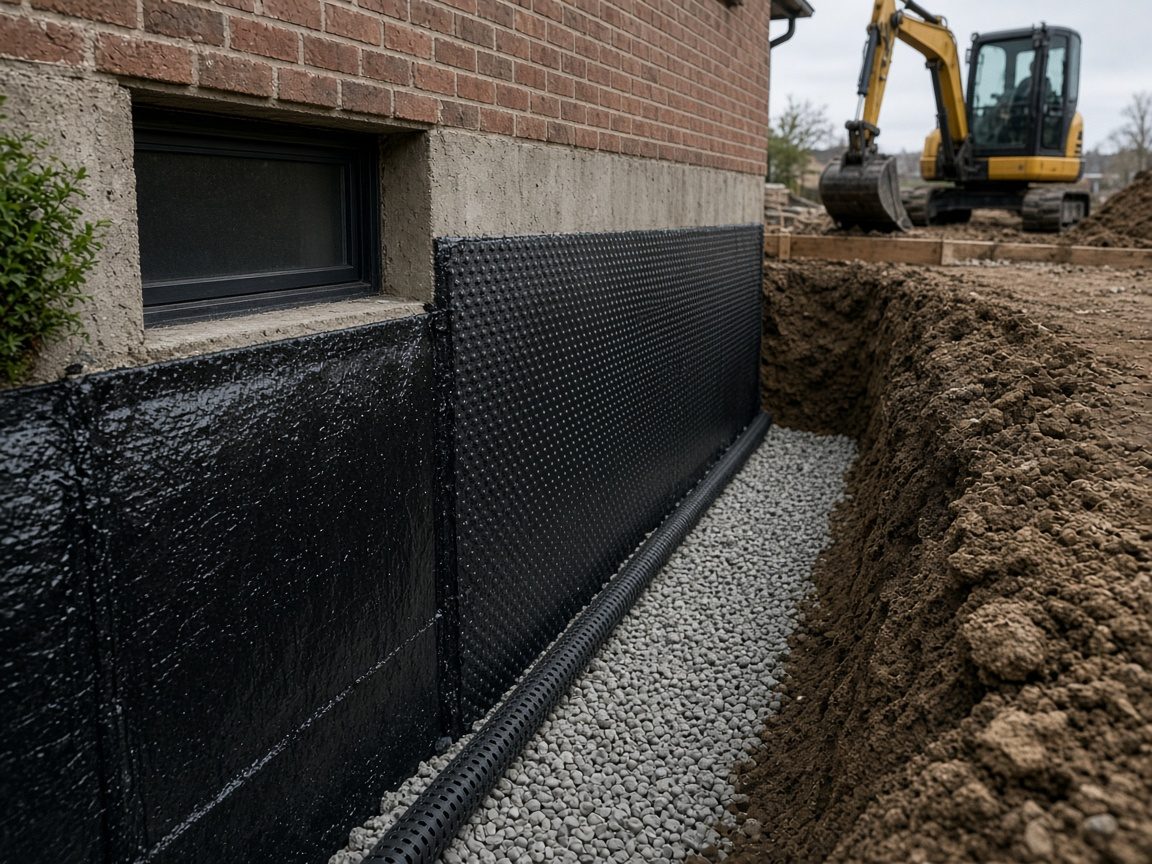
A waterproofing project should address the route water takes to reach the basement. The following considerations help determine which work may be appropriate.
Foundation wall protection helps reduce water penetration through vulnerable concrete or masonry surfaces. Depending on the condition of the wall, preparation, crack repairs and suitable waterproofing materials may be required. The objective is to protect the foundation from moisture moving through the surrounding ground.
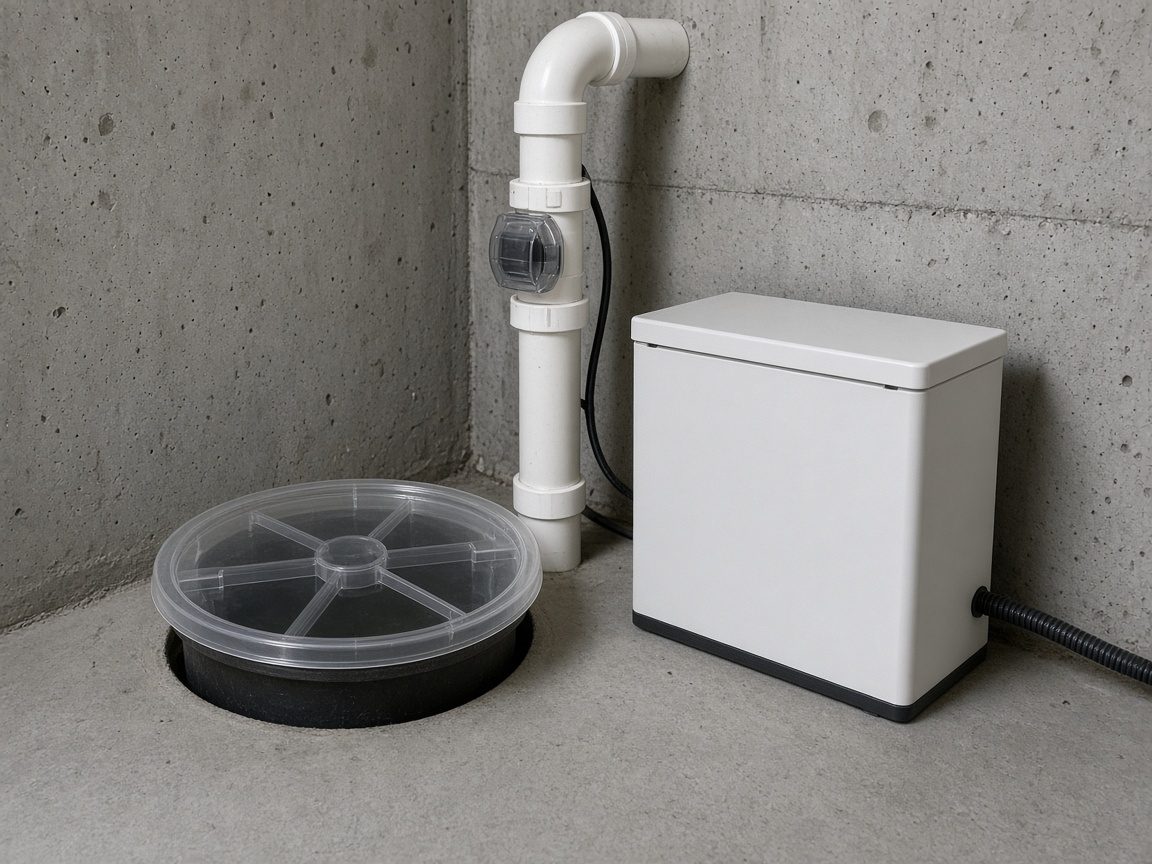
Interior systems are designed to manage water that reaches the inside perimeter of the foundation. Drainage channels and collection arrangements may be installed to direct water toward an appropriate discharge system. This approach can be useful when exterior access is limited or when interior water management is appropriate.
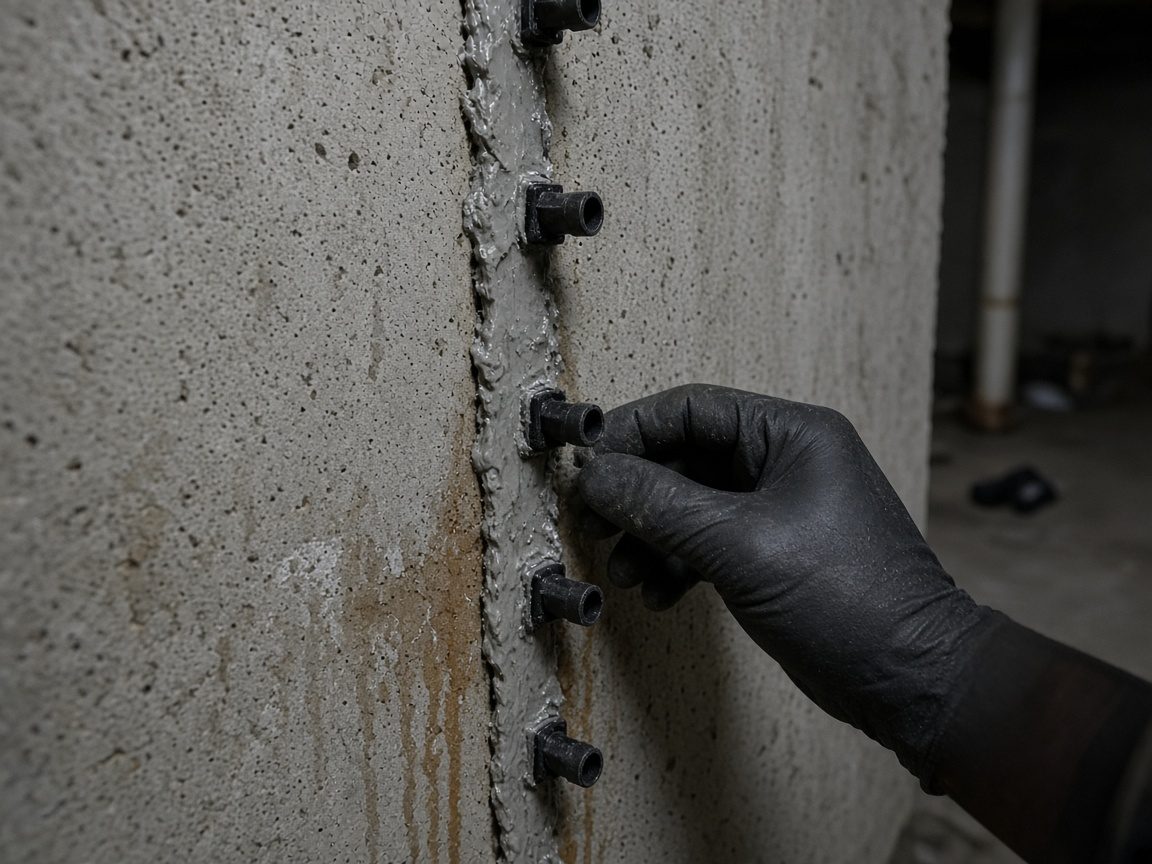
Cracks can provide pathways for water to enter a basement. Their location, size, condition and movement history help determine the appropriate repair method. Crack repair should also consider whether other drainage or foundation conditions are contributing to the moisture.
Managing water around the home can be an important part of basement protection. Existing drainage, downspout discharge, grading and the condition of perimeter drainage should be considered alongside foundation repairs.
We consider the location and timing of moisture to understand the likely source before recommending a method.
Interior and exterior waterproofing serve different purposes. The selected work should reflect the foundation and site conditions.
Homeowners should understand which areas are included and what the proposed repair is intended to accomplish.
Discuss your foundation concerns and find out which waterproofing options may suit your property.
Free — no obligations
We begin by understanding where water appears, when it happens and whether there have been previous repairs or drainage problems.
The affected walls, floor joints, visible cracks and surrounding drainage conditions help establish the nature of the problem.
We discuss the waterproofing approaches relevant to the property and explain what each method is designed to address.
The proposed scope should identify the affected areas, repair approach and relevant project considerations.
The agreed waterproofing work is carried out with attention to the foundation and water-management details involved.
Damp proofing generally limits moisture moving through a foundation surface, while waterproofing is intended to provide a more comprehensive approach to water entry. The right protection depends on the construction and water conditions around the building.
It can address many sources of water entering through foundation walls. The appropriate repair depends on the material, location and condition of the affected section.
A localized repair may be appropriate when the problem is limited to one section. However, surrounding drainage and other foundation areas should be considered before deciding that the issue is isolated.
It is sensible to investigate recurring moisture as soon as it is noticed. Some work can be performed in different seasons, while excavation and site conditions may affect scheduling.