
Sewer Backup Protection
Backwater Valve Installation in Oshawa
Explore plumbing backflow protection for your basement. Get a Free Estimate
A sewer backup can cause significant disruption in a basement, especially when wastewater enters through floor drains or plumbing fixtures. A backwater valve is a device designed to help prevent sewage from flowing backward into a building's drainage system when municipal sewer conditions cause reverse flow.
Backwater valve installation requires attention to the home's plumbing configuration, the location of the building drain and applicable local requirements. The device must be suitable for the plumbing system and installed so that it can operate and be maintained properly. It is a form of plumbing protection, not a replacement for foundation waterproofing, sump equipment or regular drainage maintenance.
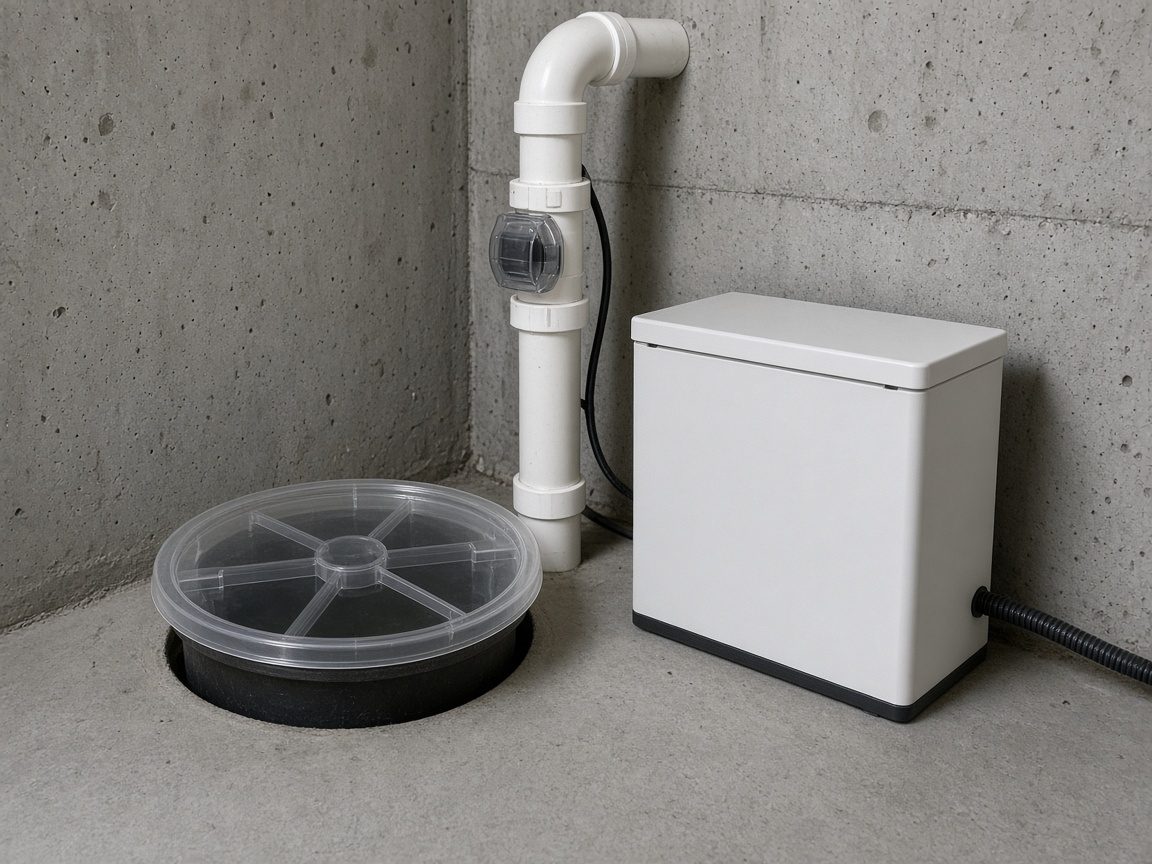
A backwater valve works within the building's drainage system and is intended to restrict reverse flow under certain conditions.
The valve is designed to allow normal wastewater movement in the intended direction while restricting reverse flow when sewer conditions cause backpressure. Correct selection and placement are important.
The existing plumbing arrangement must be considered before installation. The location of the building drain, connections and access points influences the installation plan.
A backwater valve requires appropriate access for inspection and maintenance. Homeowners should understand how the device operates and what maintenance is expected.
Installation must account for applicable plumbing requirements and municipal considerations. Homeowners should confirm any available local programs or approval requirements with the relevant municipality.
The existing drainage configuration should guide the valve selection and installation location.
A backwater valve has a specific purpose and does not prevent every type of basement flooding.
Access and routine inspection are important parts of maintaining a functioning backwater valve.
Discuss your plumbing layout and whether backflow protection is suitable for your property.
Free — no obligations
Identify the relevant building drain and determine whether a suitable installation location is available.
Consider applicable plumbing rules, municipal requirements and any relevant property-specific conditions.
Determine the access, work area and valve arrangement appropriate for the plumbing system.
Complete the agreed installation and verify that the device is positioned and functioning as intended.
Review the importance of access, inspection and keeping the valve in suitable operating condition.
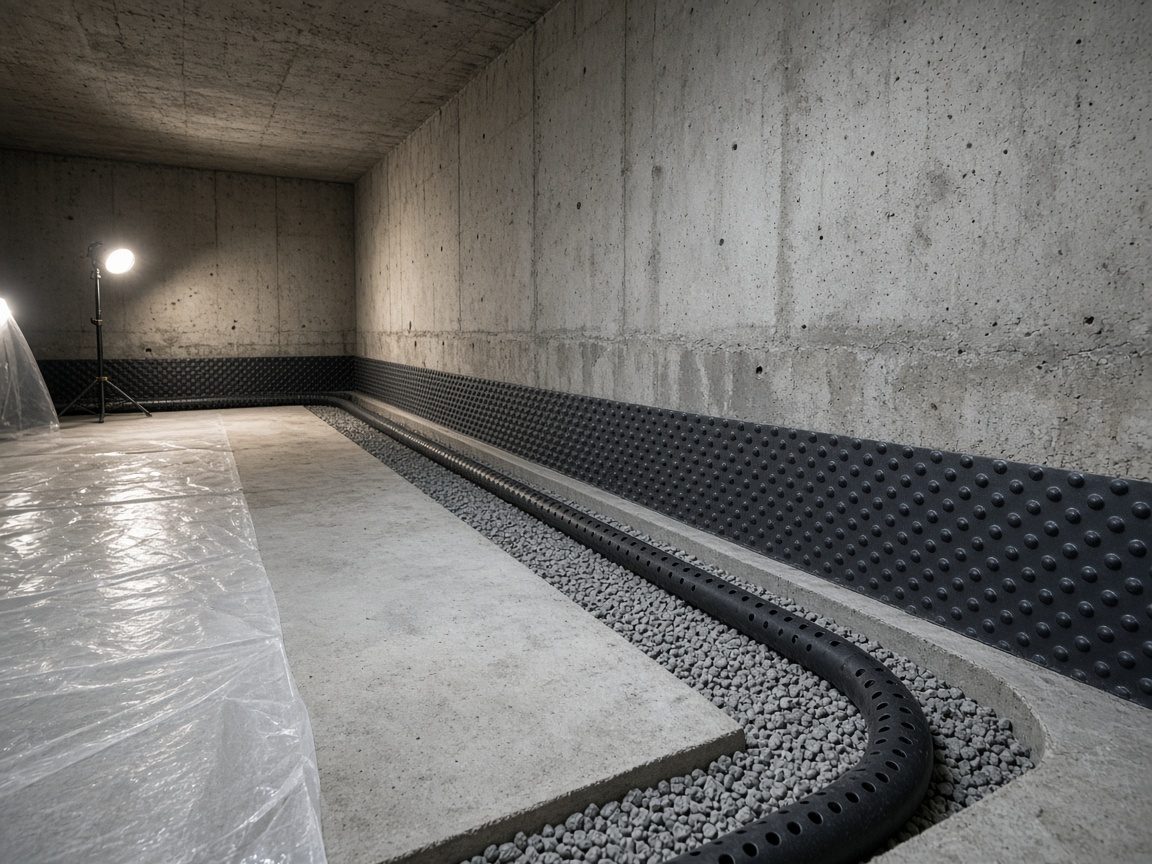
It is designed to help prevent wastewater from flowing backward from the municipal sewer into the home's drainage system. It does not prevent groundwater seepage or surface water from entering through foundation walls.
Not necessarily. Suitability depends on the plumbing arrangement, property conditions and applicable requirements. A plumbing assessment can help determine whether installation is appropriate.
A closed valve can restrict wastewater leaving the building. Continuing to use connected plumbing during a sewer backup can create additional problems, so homeowners should follow the device's operating guidance.
Yes. Inspection and cleaning may be needed to keep the device operating properly. Homeowners should maintain access to the valve and follow the manufacturer's maintenance instructions.